Design Ideas Using Double Cavity Sliders
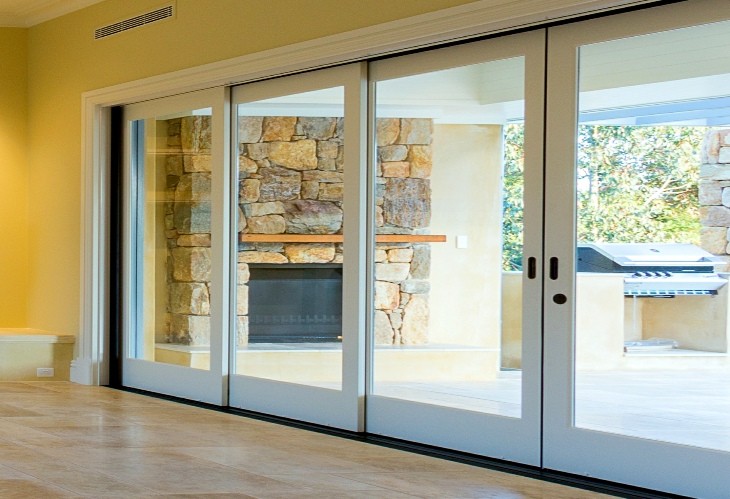
Modern interiors remain wide ribbons toward more rustic lines, and there’s more contemporary space. Homeowners want something that works, but looks good at the same time. A relatively new style perched on the fence of trending is the double cavity slider. The door system slides into pockets in the wall, opening up floor space and reducing visual clutter.
This feature opens two panels away from the center, unlike standard hinged doors. Each folds away into wall pockets when opened. The spaces feel bigger and more connected to one another. Closing the panels returns one to the privacy level of most other workspaces.
The balance of openness and separation is exactly what designers love about such doors. Additionally, families appreciate the quiet mode and density. A double cavity slider in NZ can definitely redefine how you live every day, without having to do major structural changes to the house — hence why many households are now exploring double cavity sliders, but it can also lead to a little more privacy too.
Double Cavity Slider?
The sliders can be either a single slider leaving one panel hung, or what is termed a double cavity Slider which comprises two sliders that are lidded into either side wall quarters. When closed, the doors meet in the center of the door. When opened, they slide into a hidden pocket on each side.
This works for more open layout designs between rooms. It forms a wide entryway that is almost camouflaged when the doors are retracted. This frees up space for furniture where swinging doors would normally occupy.
This is typically recommended by interior planners for spaces where flexibility is needed. It provides a divide when we are quiet and an openness when we are together. Homes benefit from that adaptability.
Deepening The Open-Plan With Fluid Dividers
These are still very common to find in modern-built homes. Fluid between kitchen, dining, and living areas; families love the way that works. But privacy is also needed sometimes.
You also want to strike that balance, and double cavity sliders help. At social functions, panels retract and create one large area. What happens inside once the doors close stays inside; noise and cooking fumes care ontained.
Big openings that let natural light in. If you like glass panels, you will create maximum brightness that can penetrate deeper into nearby rooms. During the daytime, artificial lighting is less important.
Designers incorporate these sorts of doors between lounges and dining rooms. It facilitates the transitioning of intimate dinners into celebratory feasts, and vice versa, with no fuss. It also allows better climate control when zones have to be separated.
Improve Small Rooms without Feeling Crowded
Compact homes demand thoughtful planning. Every square meter counts. Conventional doorways require room for their swinging arcs, restricting structural alternatives.
Sliding panels solve that issue. They conceal themselves in wall cavities away from usable floor space. Furnishings may be positioned nearer to doorways without impeding the flow of traffic.
This is useful in small flat apartments for a bedroom. Entryways feel less cramped. Halls feel broader and less crowded.
The effect is accented by visual simplicity. The space appears clean and serene without tracks or hinges. Neat spaces give a feeling of neatness.
To make the most out of modest footprints, those considering a double cavity slider in NZ typically seek ways to make the most out of every nook and cranny. They support making a plan with minimal sacrifice of style.
Improving Indoor and Outdoor Flow
One of the most popular aspects of residential design is the ever-desirable connection to the outdoors. Outdoor areas such as patios, decks, and courtyards add additional living space. Big external sliders are not uncommon, but that smooth flow can be facilitated by internal double cavity systems, too.
A living room might also be connected with a sunroom behind sliding panels that disappear when not in use. It flows naturally when the words are opening up. The doors shut and keep the heat during chilly nights.
Indoor openness can and does go wider from this onto homes that are opened onto garden-wise. Sightlines remain uninterrupted. If there are a number of openings in the air flow with air in the season, the air can flow freely.
Architectural harmony improves as well. Door styles that are consistent lend a cohesive look to interiors as well as exteriors.
Selecting Materials for Aesthetic and Practical Purposes
Both functional design and aesthetic design depend on material selection. We find warmth and natural texture with solid timber panels. The painted finish matches the modern color schemes.
Transparency and brightness are introduced by glass inserts. It helps in privacy but causes diffusion of light. Unlike other designs that have dark separating walls, clear panes ensure visibility remains uninterrupted between rooms.
Metal accents suit contemporary themes. Minimal frames highlight clean geometry. The final impression is also shaped by hardware choices.
Acoustic needs may guide decisions. They are made of a solid-core that helps dampen sound. Which works for home offices or media rooms.
The designers can’t even style it anymore, purporting to type with the flooring and partitions. Visual harmony among surfaces reinforces impact. Sometimes, using subtle differences creates an excellent centerpiece.
Double Cavity Sliders In Home Offices
The rise of remote working means there is a greater need for dedicated study zones. Most households still want quiet spaces that can change. A two-for-one solution here is double cavity sliders.
A workspace next to the living area may be open in the daytime. Natural light reaches the workspace. Interaction with family remains easy.
The panels close rapidly when meetings need a degree of privacy. Noise levels decrease. Concentration improves.
This layout is applicable in multi-purpose rooms. On a weekday, a guest room may double as a study. Shutting the doors turns it into a private sleeping zone when required.
That means it is governed by careful planning that gives you a way to depth and using the way it should be planned up using wall depth as required. And meeting with builders early can minimize headaches down the road.
Designing Elegant Bedroom Entrances
A calm ambiance helps in a bedroom. Conventional doors often break the plane of the wall. A more delicate transition could be made using sliding panels.
Double cavity sliders are ideal for master suites with wider entry points. The suite is big when open. However, when the panels are closed, it creates a quiet sanctuary.
This system also complements walk-in wardrobes well. It features a wide, unobstructed entry with two panels. When the doors slide shut, the wardrobe goes out of sight.
Frosted glass provides separation, but it does not stop light. Timber wood adds warmth and character to your space. While neutral tones help keep the balance.
And lighting by the door does the trick also. Architectural lines pop with wall sconces or recessed fixtures.
Supporting Multi-Generational Living
Extended family members now live with many, or perhaps most, households. Flexible separation becomes essential. Double cavity sliders keep shared spaces flexible from morning to night.
Another lounge may serve as a secluded reception room. When entertaining family, the doors open and combine that space with the living zone. Then, it closes the panels to shut down for quiet slumbers.
And they also help to make guest suites close to shared spaces. If you want some privacy for the occupants, but don’t need a permanent barrier. When the desire arises for the open natural feel, this home still keeps that characteristic.
Thoughtful soundproofing adds comfort for all. Less disturbance between rooms through solid wall construction.
Planning Considerations and Installation Insights
Successful integration requires early planning. Cavities in walls should be large enough to fit sliding panels. Structural elements may need adjustment.
Professional assessment helps determine feasibility. Accurate measurements ensure smooth operation. Long-term performance is affected by alignment and track quality.
Finishing details matter. Flush handles maintain the neat look. Soft-close mechanisms improve daily use.
If the components are well installed, there is little maintenance that is needed. Point to Remember: Tracks should be thoroughly vacuumed from time to time to keep them free of dust. Quality materials extend lifespan.
Energy efficiency also deserves attention. Sealing gives panels a draft-free closure. This detail aids in temperature regulation for different regions.
Creating Visual Continuity Through Design
Cohesion strengthens interior appeal. Continuing materials (or colors) between doors and cabinetry is an effective way to connect spaces. Avoids a diluted visual by subtle coordination
Double cavity sliders that create large openings can also be a feature in themselves. Bold panel colors create contrast. Neutral colours let other décor shine through.
A lot of designers will align door heights to the lines of the ceiling. If your panels are tall, it will draw the eyes upward. This brings a greater feeling of space within the rooms.
Minimal hardware suits contemporary settings. Decorative handles complement classic interiors. It is all about choosing wisely rather than overdecorating.
Conclusion
Double cavity sliders provide a stylish solution for multi-functional living. They liberate precious floor space and enable flexible configurations. Though large openings help in retaining openness, privacy is never compromised.
Well-selected materials define style, acoustic, and daylight performance. A well-planned installation results in seamless operation for years. These doors bring practicality and beauty to the interiors, be it the living area, bedroom, or home office space.
When families dig into ways to improve their design, one question is how to create connection and separation at the same time. Well, double cavity sliders fill that gap seamlessly and beautifully! With good planning and imaginative stroke, a home can acquire not only flexibility but visual appeal as well.










Post Comment