Explaining Interior House Painters VS Exterior House Painters
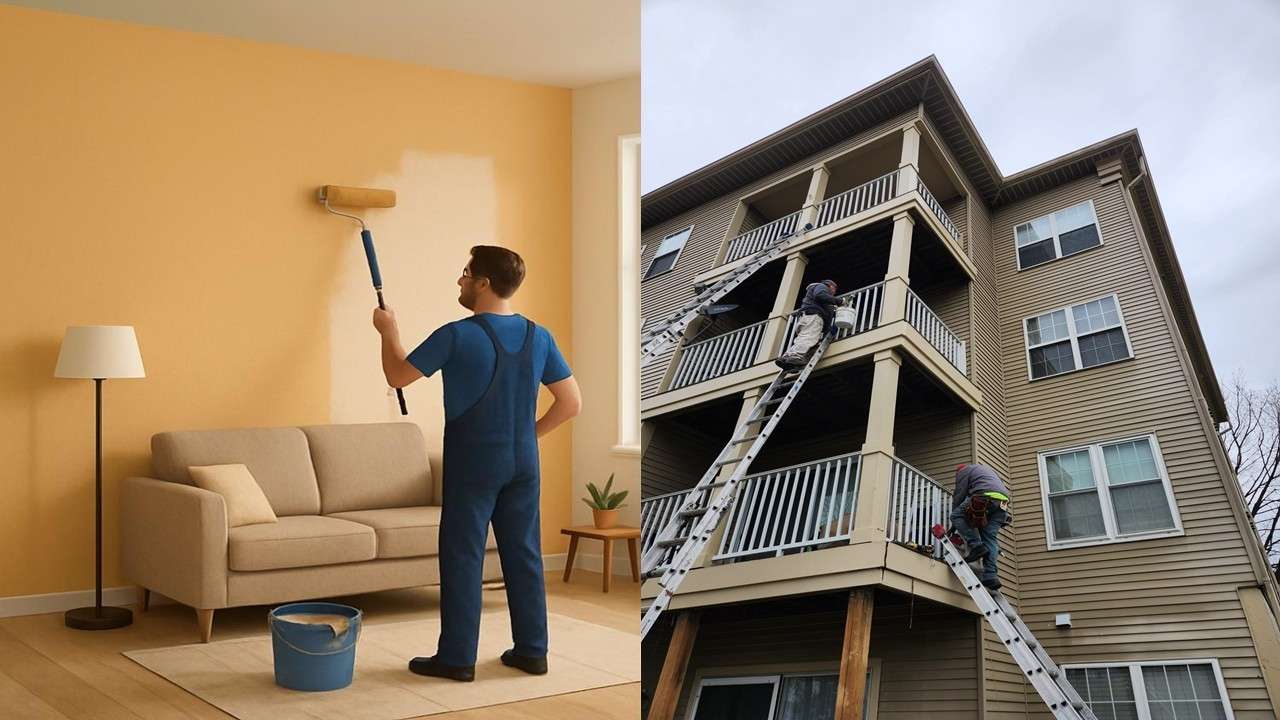
It can breathe new life into a property. Colors impacts on mood, comfort, and first impressions. Homeowners respond with enthusiasm about desired updates while suffering from analysis paralysis over selecting the right pros. Both of them are different: Interior house painters and exterior house painters. It varies widely as far as tools, methods, and materials.
Being well-informed only makes more sense when making decisions about our houses. Now every part of a property can weather different conditions. The inside surfaces are different from the outside surfaces. Results depend on climate, light exposure, and daily usage. This article breaks down the differences between interior and exterior house painters. It also explains the significance of each role for durable finishes.
What Interior House Painters Do
Interior painters work with walls, ceilings, trim, and other inside elements. They focus on detail and cleanliness. As far as living spaces go, they are asking for smooth and clean lines. Indoor lighting reveals even minor imperfections.
Success is based on preparation. Before painters begin the work, they cover the flooring, furniture, and fixtures. Patching and sanding of small cracks or dents. Better adhesion and appearance form the clean surfaces.
The inside of a residence is where controlling odors becomes equally important. Products with low odor and low emission protects air quality. While projects are underway, families still go about their daily routine, which means that this is a safety issue. Well Ventilated Mask Should Reduce Hassle in Tattoos Process
Detail work defines interior painting. The stability comes in with the edges you do near the ceiling. Trim demands accurate brush control. This means even subtle texture differences can affect light reflection from a surface. Pros pick tools according to the type of surface they are working on.
Often, the interior colour choice involves reflecting personal style. Soft neutrals create calm environments. Accent walls pop with bold shades. Good painters can apply color so that there is an even consistency regardless of how light or dark the tone is.
Materials Used for Interior Painting
Coatings used for interior are different from exterior coatings. Interior paints are all about looks and washability. Finishes for High Traffic Spaces: Moisture Resistance required for kitchens and bathrooms.
Different levels of sheen affect how easy they are to maintain and what the visual characteristics are. Matte quality hides imperfections but is harder to clean. Choose from satin and semi-gloss, which are both resistant to stains. Trim and architectural details are accented by glossy coatings.
That last point is critical to interior painters, and they know it — light drastically changes how we see colours. A shade may look different under artificial light and at different times of day. The quality of natural light varies all day long. Professionals learn from experience to try to plan for these changes.
Tools used inside emphasize precision. Angled brushes create sharp lines. Smooth results with fine nap rollers. Drop cloths prevent splatter damage.
What Exterior House Painters Do
Exterior painters provide services for surfaces in sun, wind, and rain. Outer wall stress occurs due to weather conditions. Paint has to endure thermal variations and humidity.
Preparation of the surface outside adds another layer. Old paint may peel or crack. Power washing gets rid of grime and stains. Scraping and sanding remove loose material.
And then outside, primers are key. They aid the adhesion of coatings to wood, brick, or stucco. Finishes can peel in no time without proper priming on heels. Protection remains the main objective.
Many exterior professionals do their job at height. Safe access is provided by ladders and scaffolding. During large-scale projects, Safety training helps to minimize risk. The equipment you’ll want also depends on the size and layout of the structure.
There is no doubt that timing is everything when it comes to the outdoors. Rain can ruin a fresh application. Excessive heat causes uneven drying. Experienced teams monitor forecasts carefully.
Materials Used for Exterior Painting
Indoor formulas differ from outdoor coatings. Exterior should have additives that are put in that paint for bottom-line sake. These all resist fading from the sun. Moisture resistance prevents mold growth.
Flexibility is another key feature. As temperature changes, materials enlarge and shrink. The surfaces that are bonded together have a very long life because of the strong adhesion between them. High-quality goods minimize cracking and blistering.
Surface type influences material selection. Wood siding absorbs moisture easily. Masonry requires breathable coatings. Rust-resistant primers are required for surfaces which are metal surfaces.
Subsequent methods of application are determined by surface area. Large walls may require sprayers. Brush control is still needed for the detailed sections. Even coverage protects structural integrity.
Differences in Skills in Interior vs Exterior Painting
These two painters share a set of knowledge that is core. But every specialty requires a different set of strengths. Interior specialists shine in intricacies. Exterior professionals master surface durability.
Inside projects live or die by visual precision. Small flaws draw attention quickly. Quality is more about careful masking and steady technique. Patience guarantees that coats are smooth and even.
Outdoors, the emphasis is on endurance and strategy. Weather shifts create unpredictable challenges. Large surfaces require consistent pacing. The job requires physical stamina to work for long hours in an open environment.
Roles also differ in how they approach problem-solving. Explanation: Interior problems can be texture or colour bleed from previous jobs. Exterior-related concerns are often linked to moisture damage or structural decay.
Safety Considerations
In both cases, safety is still the priority. Indoor work requires proper ventilation. It can also irritate lungs and skin, as it does with its paint fumes. Wearing masks and gloves helps to reduce exposure.
Exterior projects introduce additional hazards. Falls risk associated with working at height. Stable equipment prevents accidents. Weather alerting protects workers as well as the surface.
Outside, electrical fixtures, landscaping, and nearby vehicles need protection. Careful preparation prevents accidental damage. Professional attention reduces liability concerns.
Cost and Time Differences
In general, interior painting projects are quicker to complete than exterior ones. You can finish a particular room in a matter of days. Preparation remains detailed yet controlled.
Exterior jobs often extend longer. Features with significant regions lead to longer staff task duration. Weather delays may slow progress. Extra preparation also adds hours.
Material costs differ as well. Because outdoor gear is designed for durability, you do see a price hike. Additional expenses due to equipment requirements. However, both of these services are value dense and have staying power.
Choosing the Right Professional
Choosing the most suitable painter is determined by the scope of the project itself. Specialists in detail help with interior renovations. Expertise for weather-resistant exterior updates.
Research supports informed decisions. Checking credentials ensures quality standards. Insights into Craft through Reviewing Work
Homeowners in some states, they may look for trustworthy alternatives. Comparing skills that apply to your own climate conditions is a common practice among people in need of expert house painters in Porirua. Salt air and moisture need coatings that withstand coastal weather.
Clear communication helps avoid misunderstandings. Discussing timelines and expectations of preparation engenders trust. Written estimates provide a clear framework for scope and materials.
Interior versus Exterior: The Problem with Mixing Projects
Some renovations require both specialties. Example: A full property refresh might include inside rooms in addition to outside walls. It saves time and minimizes disruption by coordinating planning.
Dry spells might allow painters to plan external work. The weather is not an issue, so updates of all kinds can go on. Strategic sequencing ensures steady progress.
Having a color theme throughout a property helps tie it all together. Exterior shades exist to accompany interior palettes. Experienced pros guide you to the perfect selection without pressure
Maintenance and Longevity
Painted surfaces have long-term use only when taken care of. Mild abrasion is good for your indoor walls. Small touch-ups stop big repairs.
Outdoor finishes require periodic inspection. Prompt action should be taken if the paint starts to peel or crack. It also prevents dirt and mildew from accumulating.
That means less maintenance in the future, which is always a plus. Skilled preparation strengthens durability. Careful application supports even aging.
Conclusion
Much like how each of these types of house painters provides an important role, but each role is different. The first being focused on comfort, visual detail. One protects buildings from environmental heat stress.
These differences are known to us in order to make wise choices. Different types of projects call for different materials and techniques. With careful prep work and a quality product, a long-lasting outcome is all but guaranteed.
Making them shine, be it a living space or outer walls, the difference is evident with efficient craftsmanship. Good planning, informed choices, beauty, and protection for the long haul.











Post Comment