How Roof Cleaning Can Extend the Lifespan of Your Roofing System
Introduction
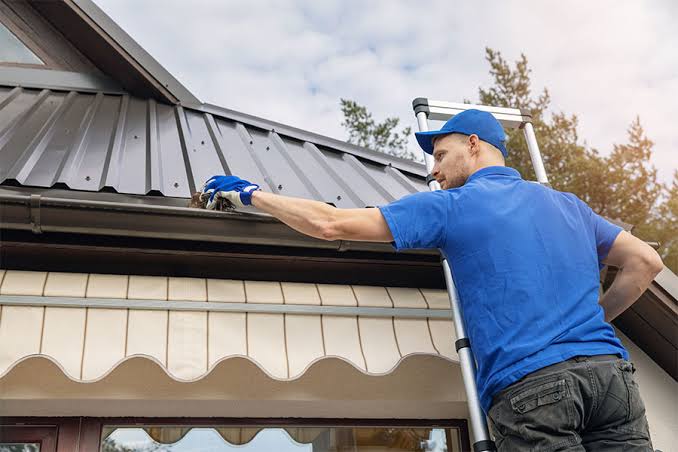
A roof works through every season, yet its condition often gets attention after stains, leaks, or loose edges appear. Dirt, moss, algae, and trapped moisture slowly wear surfaces that should last for decades. Regular care changes that pattern. Clean roofing sheds water faster, stays cooler, and shows faults earlier. For our homes and workplaces, routine cleaning supports longer service life, steadier performance, and lower repair costs over time.
Auckland Conditions
Salt air, frequent rain, windblown debris, and shade create hard conditions for roofs across Auckland. Those factors help moss and lichen settle into porous surfaces, where moisture lingers longer than it should. Property owners researching roof cleaning in Auckland often focus on appearance first, yet the bigger issue is structural wear. A clean surface dries faster, drains better, and reveals weak spots before repair bills rise.
Moisture Damage
Moisture is a quiet cause of roof decline. Once grime holds water against tiles or metal, protective finishes break down faster. Small cracks can widen during cold nights and hot days. Damp pockets also push rot into timber supports near the roofline. Cleaning removes the layer that traps water, helping each part stay drier after rain.
Moss And Lichen
Moss behaves like a sponge. Lichen grips tightly and slowly marks the outer layer of roofing materials. Both growths can lift edges, block drainage paths, and keep the surface wet for long periods. That constant dampness shortens coating life and raises the chance of leaks. Removing organic growth helps preserve the roof skin that protects the structure below.
Better Drainage
Leaves, sludge, and broken fragments often gather in valleys and near gutters. Water then backs up instead of flowing away. That overflow can stain fascia boards, seep beneath flashing, and damage ceilings. Roof cleaning clears those routes, so rainfall exits the system as planned. Efficient drainage reduces pressure on joints, fasteners, and other vulnerable points.
Early Fault Detection
A dirty roof hides developing faults. Cracked tiles, rust spots, loose ridge caps, and failing sealants are harder to see under moss or dark streaks. Cleaning creates a clearer view for inspection. That matters because minor defects are usually cheaper to correct than advanced damage. Earlier action extends roof life by preventing a small issue from spreading.
Material-Specific Care
Different Roof Types
Each roofing material needs a suitable method. Metal surfaces can scratch under harsh treatment, while concrete tiles may absorb water if cleaned poorly. Asphalt shingles can lose granules under excessive pressure. Soft washing is often safer for delicate finishes, while controlled pressure may suit stronger areas. Matching the method to the material helps cleanliness without causing fresh harm.
Energy And Appearance
A cleaner roof can also support better thermal performance. Dark biological growth absorbs more heat, which may increase attic temperatures on warm days. Removing buildup helps the surface reflect light more evenly. Visual value improves as well. A cared-for roof gives the whole property a sharper look, which matters for resale, tenancy appeal, and routine asset management.
Maintenance Timing
Cleaning works best as part of a schedule, not as a one-time rescue. In damp climates, many roofs benefit from inspection each year and cleaning when buildup becomes visible. Nearby trees, coastal exposure, and shade may require closer attention. Regular timing lowers long gaps between checks, which reduces the chance that hidden wear becomes serious structural damage.
Cost Perspective
Roof replacement is expensive, while preventive care is far more manageable. Cleaning does not remove every future risk, yet it can delay major work by protecting coatings, drainage, and surface strength. Fewer leaks also mean less chance of insulation damage or interior repairs. Viewed over many years, periodic roof care often costs less than neglect and emergency fixes.
Conclusion
Roof lifespan depends on more than material quality alone. Ongoing exposure to moisture, debris, and organic growth can shorten service life long before a roof reaches its expected age. Regular cleaning helps water move off the surface, exposes faults early, and protects finishes from steady decay. For our properties in wet coastal conditions, that simple maintenance step can preserve performance, reduce repair costs, and keep the roofing system working longer.













Post Comment